
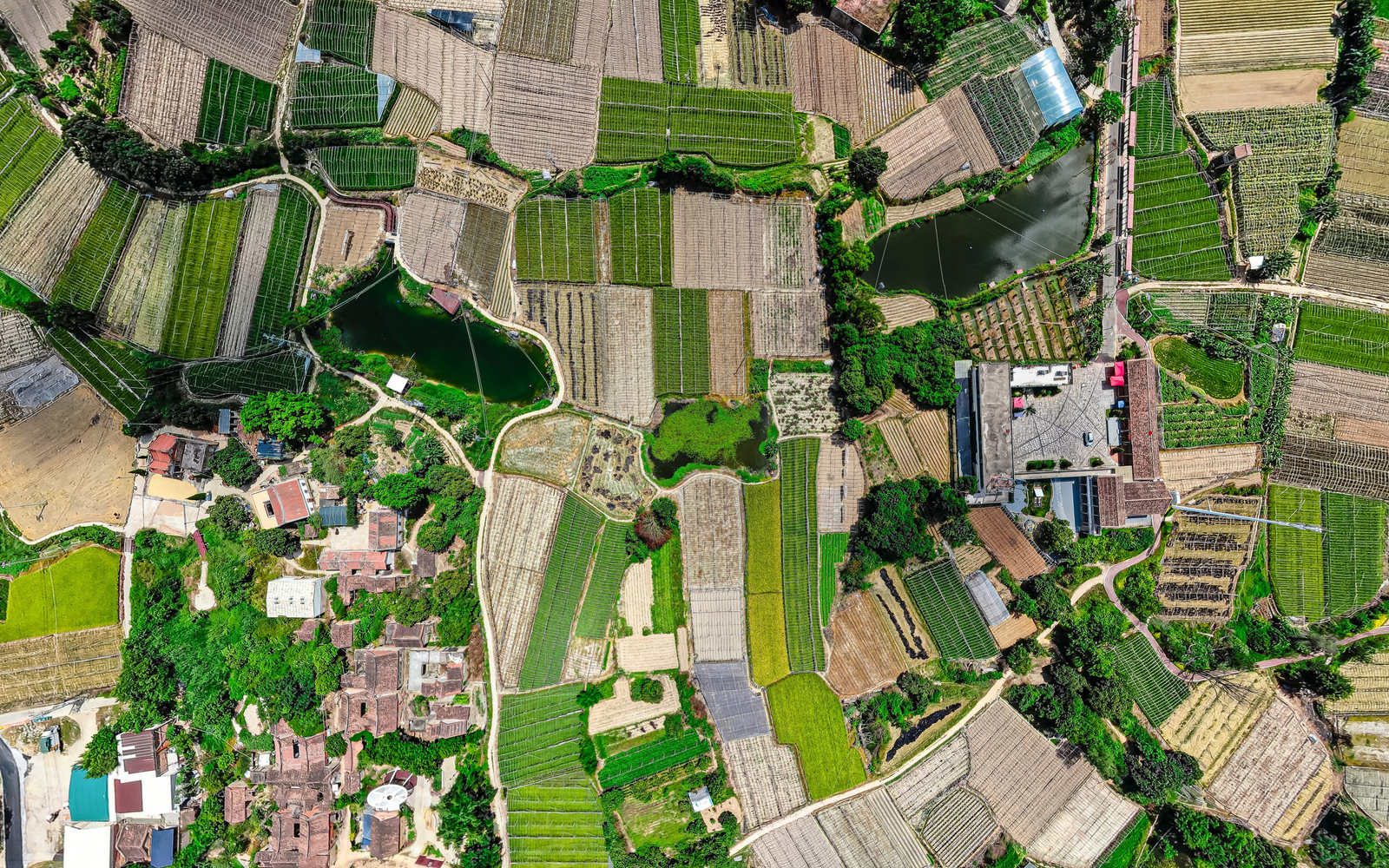
In October 2011, Jonathan Foley and an international team published Solutions for a Cultivated Planet in Nature. Its central claim was unusually ambitious: agriculture could greatly increase the amount of food available to people while reducing environmental damage, but only if several changes were pursued together rather than one at a time.
The paper identified five practical fronts: halt agricultural expansion, close yield gaps on underperforming land, use water and nutrients more efficiently, shift cropland away from inefficient non-food uses, and reduce food loss and waste. Those are the same interventions behind the paper’s conclusion that the combined package could roughly double food production while shrinking agriculture’s environmental footprint.
The dilemma the paper tried to solve
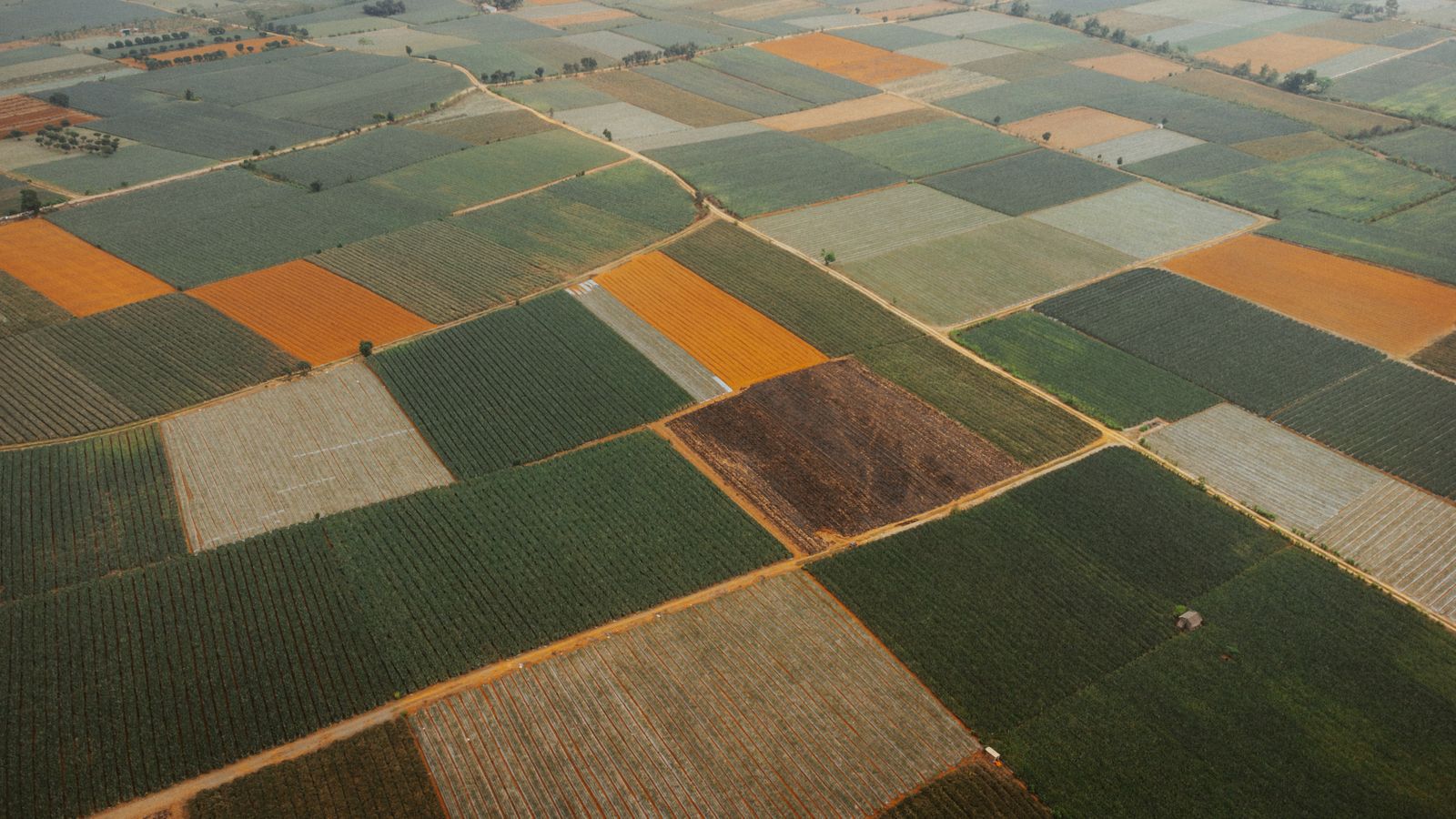
The paper noted that about a billion people were chronically malnourished at the time, while agriculture was already degrading land, water, biodiversity and climate on a global scale. Producing more food by simply extending the existing system would therefore deepen some of the environmental pressures the authors were trying to reduce.
The demand side was moving in the wrong direction too. A separate 2011 analysis in the Proceedings of the National Academy of Sciences projected that global crop demand could rise by roughly 100 to 110 percent between 2005 and 2050 as population, income and diet changed, putting a number behind the pressure the Nature paper was trying to answer through a combined food-system strategy.
The University of Minnesota’s contemporaneous summary of the research described the proposal as five fronts that had to work together. The point was not simply to produce more per hectare; it was to increase useful food while reducing the land, water and pollution costs of producing it.
Stop expansion and close the yield gaps
The first lever was land. Foley and his co-authors argued that further agricultural expansion, especially into tropical forests, imposed a steep environmental cost because land clearing released carbon, destroyed habitat and traded intact ecosystems for additional production that was often modest relative to the damage.
That trade-off is still visible in debates over competing demands for land. The 2011 framework therefore put protecting remaining natural ecosystems ahead of simply opening new acreage.
The paper estimated that bringing yields for 16 major food and feed crops to within 95 percent of their then-estimated potential could add about 2.3 billion tonnes of production, a 58 percent increase for those crops. Reaching 75 percent of potential would still add about 1.1 billion tonnes, or 28 percent.
Those figures were not a promise that every low-yield field could be transformed quickly. Yield gaps reflect water, nutrients, seed, weather, infrastructure, finance and management, so the useful part of the calculation was geographical: it showed where additional production might be possible without converting more land.
Use water and nutrients where they do the most work
The third lever was efficiency. The paper mapped a recurring imbalance in modern agriculture: some regions apply more nutrients or irrigation than crops can effectively use, while other productive regions remain constrained by too little water or fertilizer.
That matters because farming dominates freshwater demand. The UN Food and Agriculture Organization reports that agriculture accounts for about 72 percent of global freshwater withdrawals, which makes every gain in water productivity consequential at food-system scale.
The same logic applies to nitrogen and phosphorus. Better timing, placement and targeting can raise output where crops are genuinely limited while reducing losses where inputs are already excessive, the same broad efficiency problem behind efforts to improve crop per drop.
Shift what cropland produces, then waste less
In the paper’s global crop accounting, 62 percent of crop production by mass went directly to human food, 35 percent to animal feed, and about 3 percent to bioenergy, seed and other industrial uses. That meant increasing yields alone did not necessarily maximize the number of calories reaching people.
Redirecting all 16 crops in the paper’s diet-gap analysis to direct human food was an intentionally extreme scenario, not a policy prescription. The authors calculated that it could raise the calories delivered to the human diet by about 49 percent, while the University of Minnesota summary described the result as a nearly 50 percent gain in calories available per person.
The fifth lever was waste. A 2011 FAO assessment estimated that roughly one-third of food produced for human consumption was lost or wasted globally, about 1.3 billion tonnes per year, with losses occurring at different points from farm to household depending on the food system.
The paper treated perfect reallocation and zero waste as upper-bound thought experiments, not realistic endpoints. Their value was to show the size of the unused food supply already embedded in existing cropland, harvests and supply chains.
What later research changed, and what it did not
Nearly fifteen years of subsequent work has complicated the mechanics without overturning the basic portfolio logic. Some regions need higher yields, some need lower input intensity, and some may gain more from changing crop choice or management, which is why newer work on crop switching under climate stress fits naturally beside the older yield-gap framework.
One useful example comes from Andhra Pradesh, India. A 2025 Nature Ecology & Evolution study of Zero Budget Natural Farming found comparable yields to agrichemical farming in its matched sample while estimating substantially higher farm profits and improved bird-biodiversity outcomes, evidence that lower synthetic-input systems do not automatically require a yield penalty in every setting.
The original paper was also mostly land-focused. A 2020 Nature analysis of food from the sea estimated that sustainably produced edible marine food could increase by 21 to 44 million tonnes by 2050 under scenarios combining policy reform, technological improvement and demand changes, a reminder that future food supply is not limited to cropland alone.
Bioenergy remains a sharper trade-off. A 2021 systematic review in npj Science of Food found that 56 percent of 224 reviewed publications reported a negative effect of bioenergy production on food security, while USDA data show that fuel ethanol accounted for 36 percent of total US corn use in the 2024/25 marketing year.
What the doubling number actually means
The headline number is easiest to misread when it is detached from the architecture of the paper. Foley’s team did not say that any single intervention would double food production, and it did not present the doubling as a forecast of what the world would automatically achieve.
It was a combined scenario. Protect natural ecosystems, close large yield gaps, use scarce inputs more intelligently, redirect more crop calories toward people and waste less food, and the gains become large enough in aggregate to approach the scale of projected demand.
That is why the framework still reads less like a bet on one technology than a map of pressure points. Each lever solves a different part of the problem, and weakening one of them shifts more pressure onto the others.
The enduring image is the edge of a field rather than a single global total: forest on one side, crops on the other, water and fertilizer moving through the soil, grain leaving the harvest toward a person, an animal, a fuel plant or a waste stream. The 2011 paper’s argument was that the future food supply depends on what happens at all of those forks at once.
